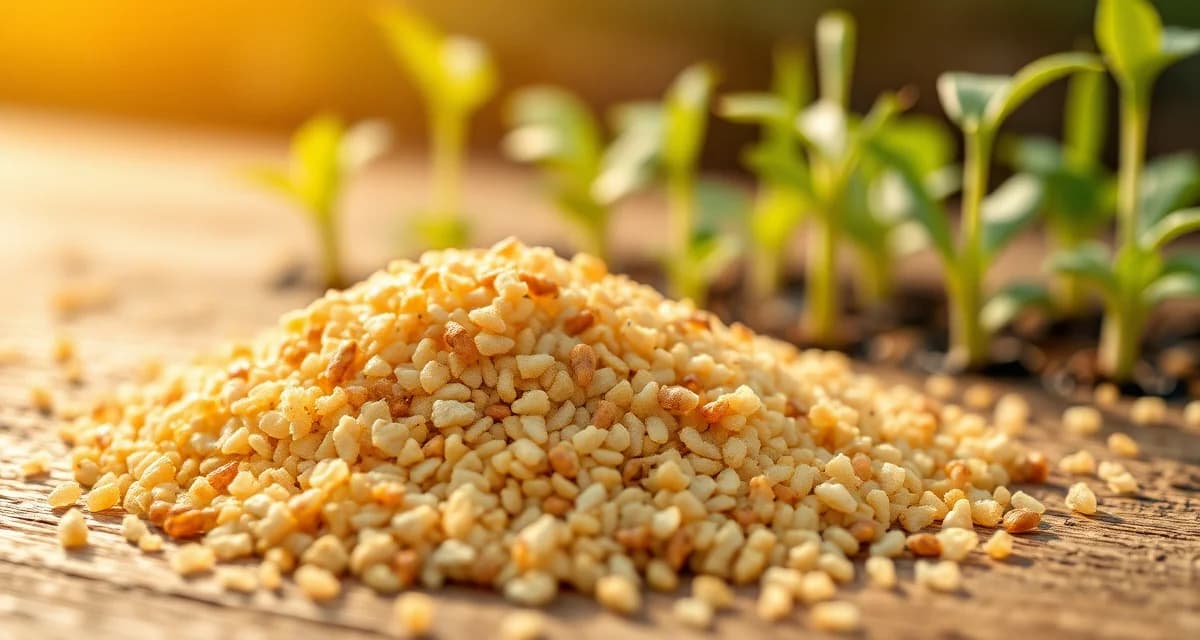
Cricket Frass Fertilizer: The High-Value Waste Stream Most Farms Ignore
Cricket frass contains approximately 3.5% nitrogen, 2% phosphorus, and 2% potassium (NPK 3.5-2-2), qualifying it as a premium organic fertilizer. Most commercial cricket farms are currently throwing this away. That means they're discarding a product that sells for $3-$6 per pound in the premium organic fertilizer market.
For a 30-bin cricket farm producing 10-15 pounds of frass per week per bin, that's 300-450 pounds of weekly frass output. At even the low end of market pricing, that's $900-$1,350 per week in additional revenue sitting in the bin liners.
TL;DR
- Cricket frass contains approximately 3.5% nitrogen, 2% phosphorus, and 2% potassium (NPK 3.5-2-2), qualifying it as a premium organic fertilizer.
- That means they're discarding a product that sells for $3-$6 per pound in the premium organic fertilizer market.
- For a 30-bin cricket farm producing 10-15 pounds of frass per week per bin, that's 300-450 pounds of weekly frass output.
- The premium prices ($3-$6/lb) are in the specialty organic market, not the bulk commodity agricultural market.
- Consumers buying organic soil amendments are already priced to $3-$6/lb for products with similar specs.
- Commercial organic growers buying in bulk typically pay $1.50-$2.50 per pound.
- Most commercial cricket farms are currently throwing this away.
What Makes Cricket Frass Valuable as Fertilizer
Cricket frass is the combination of cricket excrement, shed exoskeleton (chitin), uneaten feed, and other organic matter that accumulates at the bottom of cricket bins. This combination produces a fertilizer with properties that standard organic fertilizers don't replicate.
High nitrogen content. At 3.5% nitrogen, cricket frass is comparable to blood meal (which runs 10-14% N but is more expensive to produce) and significantly outperforms compost (which typically runs 0.5-2% N). The nitrogen in frass is in a form that becomes available to plants relatively quickly.
Chitin content. This is where frass separates from conventional fertilizers. Chitin is the structural component of insect exoskeletons. When incorporated into soil, chitin acts as a prebiotic for soil microbiome bacteria that suppress plant pathogens. Research shows that chitin-containing soil amendments reduce populations of root-knot nematodes and some fungal pathogens. This is a functional benefit that conventional fertilizers can't replicate.
Balanced NPK. Most organic fertilizers are lopsided: blood meal is high-N but low in P and K, bone meal is high-P, and kelp is high-K. Cricket frass provides a reasonably balanced profile that makes it more versatile as a stand-alone amendment.
Micronutrients. Cricket frass contains calcium, magnesium, zinc, and iron in bioavailable forms.
The Organic Fertilizer Market
Selling frass as organic fertilizer requires understanding your target market. The premium prices ($3-$6/lb) are in the specialty organic market, not the bulk commodity agricultural market.
Your target buyers include:
Home gardeners. The most accessible market. Premium garden supply stores, nurseries, and direct-to-consumer online sales. Consumers buying organic soil amendments are already priced to $3-$6/lb for products with similar specs. Cricket frass is differentiated by its chitin content and the sustainable-farming story.
Organic market gardeners. Small commercial vegetable farms selling direct-to-consumer (farmers' markets, CSAs) are interested in high-quality organic amendments that improve soil health. They pay more than bulk agricultural buyers but less than retail consumers.
Craft cannabis. Legal cannabis cultivators, particularly those pursuing organic certification, pay premium prices for specialty soil amendments. Frass has developed a following in this market due to the chitin-driven pest suppression benefits.
Hydroponic and indoor farming. When processed into liquid fertilizer (frass tea), cricket frass is used as a supplement in hydroponic systems. See the cricket farm waste management guide for frass tea production details.
Qualifying for Organic Certification
For your frass to be sold as a certified organic agricultural input, it needs to meet OMRI (Organic Materials Review Institute) listing requirements. OMRI listing allows your product to be used by certified organic farms.
OMRI listing requires:
- Submission of your product composition and manufacturing process
- Confirmation that your feedstock (what you feed your crickets) is OMRI-compatible
- Product testing for heavy metals and microbial contamination
- An annual review fee
If your cricket feed includes conventional (non-organic) ingredients, your frass may not qualify for OMRI listing without modifications to your feed program. This is worth investigating before you invest in packaging and marketing.
OMRI listing significantly expands your addressable market and justifies the premium price point. Buyers in organic agriculture and the craft cannabis segment often require OMRI-listed inputs.
Processing and Packaging Frass for Sale
Raw frass from your bins is not ready for retail sale. It needs to be:
Dried. Fresh frass contains significant moisture that shortens shelf life and increases weight for shipping. Dry to below 10% moisture content using the same drying equipment you use for cricket flour, or a dedicated food dehydrator.
Sieved. Remove large chunks of uneaten feed, cricket legs, and other debris through a coarse sieve (6-10 mesh is appropriate).
Bagged. Retail packaging options include stand-up kraft bags (1 lb, 2 lb, 5 lb), bulk poly bags for commercial growers, and resealable pouches for the premium consumer segment. Include your NPK analysis on the label.
Tested. A third-party laboratory analysis showing your NPK levels and confirming absence of human pathogens (Salmonella, E. coli) is necessary for commercial sale. This runs $50-$150 per test.
Pricing and Selling Frass
Start your pricing at the middle of the premium organic market range: $4/lb for retail consumers, $2-$2.50/lb for commercial growers buying in bulk. Adjust based on your local market and what comparable products are selling for.
Channels to start with:
- Your own website (direct-to-consumer, highest margin)
- Farmers' market as an add-on to direct cricket flour sales
- Local garden centers and nurseries
- Etsy and Amazon (premium home gardening market)
As you build volume, approach regional organic farm supply distributors who carry specialty amendments. This requires consistent supply and packaging that meets distributor requirements.
For a comprehensive view of all your revenue-generating byproducts, including frass, chitin, and oil, refer to the cricket farm management overview to see how to structure your production tracking.
Frequently Asked Questions
How do I sell cricket frass as fertilizer?
Start by drying your frass to below 10% moisture, sieving out large debris, and getting a third-party lab analysis of your NPK levels. Package in appropriate containers with your NPK information clearly labeled. Initial sales channels are direct-to-consumer: your website, farmers' markets, and platforms like Etsy and Amazon where home gardeners buy specialty soil amendments. As volume grows, approach local garden centers and organic farm supply distributors. For OMRI certification (required by certified organic farms), submit your product composition and feed ingredient list to OMRI for review. OMRI listing allows you to sell into the certified organic agriculture market and justify $3-$6/lb pricing.
What is cricket frass worth per pound?
Premium dried cricket frass sells for $3-$6 per pound in the retail organic gardening market. Commercial organic growers buying in bulk typically pay $1.50-$2.50 per pound. The premium price is supported by cricket frass's NPK profile (3.5-2-2 on average) and its chitin content, which has documented benefits for soil health and pest suppression that conventional fertilizers don't provide. Frass from farms with organic-eligible feed programs that obtain OMRI listing can command the top of this range. Commodity frass sold into bulk agricultural markets commands much lower prices and is typically not the right channel for small cricket farm operations.
Is there a market for cricket frass in organic farming?
Yes, and it's a growing one. Organic market gardeners, craft cannabis cultivators, and premium home gardeners are active buyers of high-quality organic soil amendments. Cricket frass differentiates from conventional organic fertilizers through its chitin content, which acts as a prebiotic for beneficial soil microbiota and has documented pest-suppressive properties. OMRI listing is required for sale into certified organic farm operations, which is the highest-value commercial segment. The home gardening market doesn't require certification but does respond to the sustainable production story. Overall, the market is not enormous, but the price premium and the fact that most cricket farms are currently discarding frass make it a straightforward incremental revenue opportunity.
What documentation do food-grade cricket buyers typically require from suppliers?
Food manufacturers and distributors typically require a Certificate of Analysis (COA) for each batch, documentation of your food safety management system (HACCP plan), proof of facility registration with FDA if required, allergen management documentation, and supplier qualification questionnaires. Start building these records from your first commercial production batch -- retroactively reconstructing production documentation is difficult and sometimes impossible.
How should I price feeder crickets for wholesale accounts?
Wholesale pricing should cover your fully-loaded cost per unit plus a margin that accounts for the variable quality of large accounts (payment terms, return policies, volume discounts). A common approach is to start from your cost per 1,000 crickets (feed plus variable overhead plus allocated fixed costs), multiply by your target margin, and compare the result against known wholesale market rates. Feeder cricket wholesale prices vary significantly by species, size, and region.
What certifications improve the marketability of cricket products?
For food-grade products, certifications that resonate with buyers include USDA Organic (requires organic feed and approved inputs), non-GMO verification, and food safety system certifications such as SQF Level 2 or FSSC 22000. For feeder crickets going to pet industry accounts, health documentation and quarantine protocols are often more important than formal certifications. Check with your specific buyers to understand which certifications they value or require.
Sources
- Food and Agriculture Organization of the United Nations (FAO) -- Edible Insects: Future Prospects for Food and Feed Security
- North American Coalition for Insect Agriculture (NACIA)
- Specialty Food Association
- Good Food Institute -- Alternative Protein Market Data
- New Hope Network -- Natural Products Industry Research
Get Started with CricketOps
Selling cricket products consistently to food-grade buyers requires demonstrating consistent quality and reliable fulfillment. CricketOps gives you the production records and batch traceability documentation that buyers increasingly require as part of their supplier qualification process. Start building your production documentation in CricketOps before your first major account asks for it.