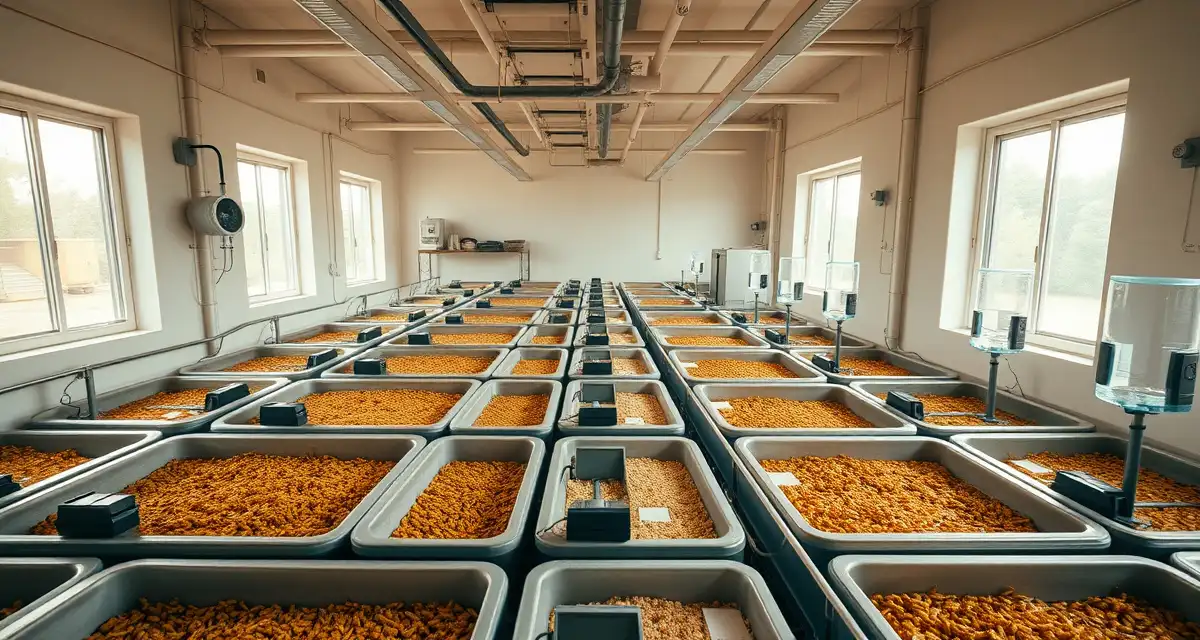
Day-to-Day Cricket Farm Management: Checklists, Bin Checks, and Water Protocols
Running a cricket farm is repetitive by design. The same checks, same feeding schedule, same water refresh done consistently every day is what produces reliable yields. Variability in your daily routine shows up as variability in your batches. The farms that produce predictably are the ones where the daily protocol is documented, followed, and logged.
Morning Walkthrough
The morning walkthrough is your most important daily task. It should happen at approximately the same time every day, early enough that any problem discovered can be addressed during the working day.
Work through each production zone in a consistent order so nothing gets skipped. For each bin, you're checking:
- Visible mortality on the bin floor (count or estimate dead crickets)
- Water source status (gel pack hydration, sponge saturation, or water container level depending on your system)
- Feed level and condition (is there still dry feed available? Is any feed wet or moldy?)
- Behavior (are crickets active and distributed across the substrate, or clustered in a corner, piled up, or lethargic?)
- Smell (any ammonia odor when you lean over the bin?)
- Physical condition of the bin (any escape gaps, lid issues, damage)
This walkthrough should take a predictable amount of time per bin. If you have 40 bins and it's taking much longer than usual, something is wrong and you're spending time investigating it, which is correct. If you're rushing through bins in a few seconds each, you're not actually checking them.
Log what you see. CricketOps provides bin check logging tied to the active batch in each bin, so mortality observations, water notes, and any anomalies become part of the batch record rather than a separate notebook entry.
Feeding Protocol
Crickets eat a lot and they eat continuously. A consistent supply of dry feed should be available in every bin at all times. The moment feed runs out, crickets start cannibalizing each other. This is especially acute in adult and near-adult stages.
Most commercial operations use a grain-based diet, often a blend similar to chick starter feed, sometimes supplemented with vegetables or fruit for moisture and additional nutrients. Feed conversion ratio for crickets is roughly 1.7:1, meaning 1.7 kg of feed produces 1 kg of cricket biomass. This is significantly more efficient than poultry (2.5:1) and is a selling point for the insect protein industry.
Feed presentation matters. Crickets tend to cluster around feed containers. Spreading feed in multiple locations across a bin, or using shallow open containers rather than deep feeders, increases access and reduces competition. For pinheads, grind or sift feed to a fine particle size they can actually eat.
Remove any wet, clumped, or moldy feed immediately. Wet feed is a primary source of bacterial growth and ammonia. If your waterers are close to feeders and splashing is causing feed to get wet, move them apart or change your container setup.
Water Protocols
Water access is critical and killing crickets through drowning or dehydration is easier than most new farmers expect.
For pinheads (first 1-2 weeks), use only drowning-safe water sources. Gel crystals (water gel packs), moist vegetables like sliced carrot or potato, or saturated sponges all work. At this stage, any open water container, even a shallow bottle cap, will drown pinheads in quantity.
As crickets grow, you can transition to shallow open containers or automatic drip systems. Whatever you use, check it every day. Water gel dries out. Sponges can mold if left too long. Bottles run dry. A bin that goes 24 hours without water during a warm period will show it in the mortality count.
Refresh water sources on a schedule, not just when they look empty. Gel packs that look full may be dehydrated inside. Sponges should be replaced entirely every 3-4 days to prevent bacterial buildup.
Frass and Substrate Management
Frass (cricket waste) accumulates on the bin floor under the egg flat substrate. Frass is the primary source of ammonia in your bins. In high-density bins, frass builds up fast. Allowing excessive frass to accumulate is one of the fastest ways to create an ammonia problem and disease pressure.
The frequency of frass removal depends on your stocking density and life stage. Adult bins in a warm room may need frass cleared every 3-4 days. Juvenile bins can often go a week. Pinhead bins are the exception: avoid disturbing pinhead bins more than necessary because the disruption causes mortality.
When removing frass, do it carefully to avoid removing live crickets along with the waste. Sifting tools with appropriate mesh size let you separate crickets from frass. Frass is a nutrient-rich fertilizer and can be sold or used on-farm if you have the volume.
Weekly and Monthly Tasks
Daily checks catch acute problems. Weekly and monthly tasks maintain the facility over time.
Weekly tasks typically include: full bin equipment inspection, thorough cleaning of any empty bins being prepared for the next batch, review of water and feed consumption trends against projections, and a check of environmental sensor calibration.
Monthly tasks include: deep cleaning of production zones between batch cycles, inspection and maintenance of HVAC and ventilation equipment, inventory of consumable supplies (see cricket farm supply purchasing), and a review of batch performance data to identify trends.
Logging completion of recurring tasks in CricketOps gives you an audit trail and makes it easy to spot when a task has been deferred or skipped. If a disease event occurs, knowing what maintenance was and wasn't done in the prior 30 days is useful information.
Staffing and Handoffs
If more than one person works the farm, consistent documentation is what keeps the operation from depending on any individual's memory. Every bin check, every notable observation, every corrective action should be in the record so that a person picking up a shift can walk in with full context.
See cricket farm record keeping for what records to maintain and how to structure them for long-term utility.