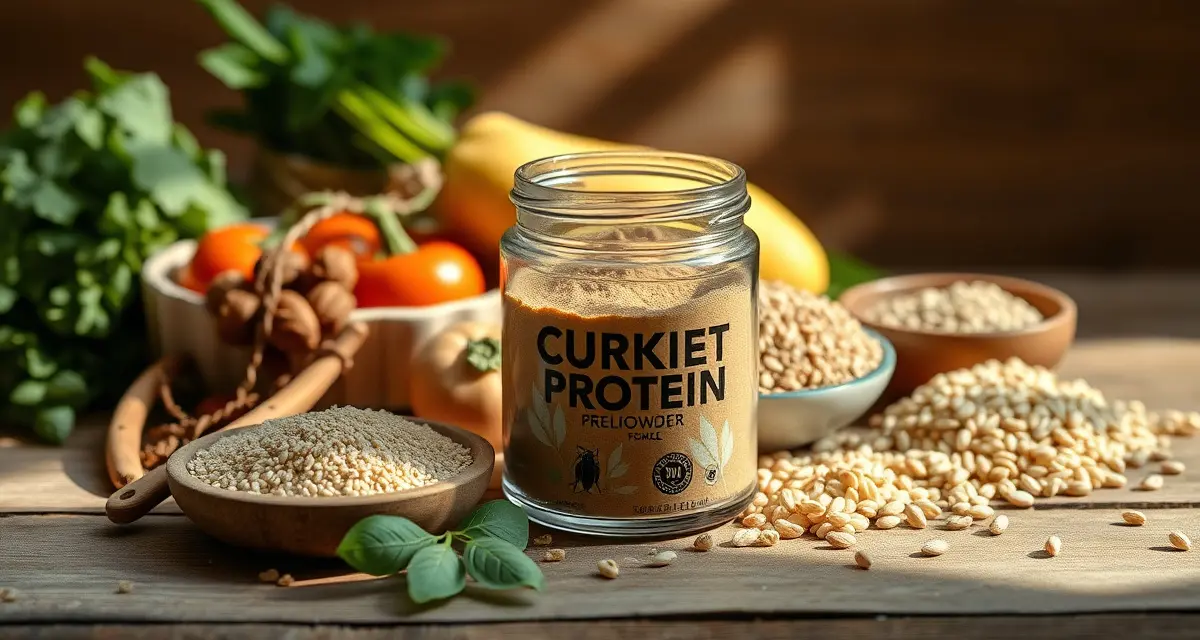
Cricket Protein in the Natural Food Channel: Whole Foods, Sprouts, and More
Whole Foods Market requires HACCP documentation, third-party testing results, and a minimum 6-month shelf history for new insect protein brands. That's the exact documentation package you need to assemble before your first buyer meeting with any major natural food retailer. Without it, the conversation won't advance past initial interest.
The natural food channel is the most desired retail environment for cricket protein brands because its customers are already predisposed to novel, sustainable, nutrition-forward products. But it's also a highly competitive environment with defined standards that you need to meet before you're qualified for placement.
TL;DR
- Whole Foods Market requires HACCP documentation, third-party testing results, and a minimum 6-month shelf history for new insect protein brands.
- That's the exact documentation package you need to assemble before your first buyer meeting with any major natural food retailer.
- Without it, the conversation won't advance past initial interest.
- These stores make purchasing decisions at the store or co-op buyer level without requiring corporate approval.
- The barrier to entry - in terms of sales history, documentation, and minimum order quantities - is dramatically lower than at national chains.
- They require more documentation than independents but are more accessible than national chains.
- Regional buyers can move faster than national category buyers and are often more receptive to local and emerging brands.
National natural food chains are the major leagues.
The Natural Food Channel Hierarchy
Independent natural food stores and co-ops are your most accessible entry point. These stores make purchasing decisions at the store or co-op buyer level without requiring corporate approval. The barrier to entry - in terms of sales history, documentation, and minimum order quantities - is dramatically lower than at national chains. Many successful cricket protein brands got their first retail shelf space through local co-ops.
Regional natural food chains (Earth Fare, New Seasons, Fresh Market, Erewhon, and regional equivalents) are the step up. They require more documentation than independents but are more accessible than national chains. Regional buyers can move faster than national category buyers and are often more receptive to local and emerging brands.
National natural food chains are the major leagues. Whole Foods Market is the most prominent. Sprouts Farmers Market and Natural Grocers are alternatives with different buyer structures.
Whole Foods Buyer Requirements
Whole Foods has specific quality standards (their Whole Trade and food safety requirements) that suppliers must meet:
- All products must comply with Whole Foods' list of unacceptable ingredients (no artificial colors, flavors, sweeteners, preservatives)
- HACCP plan or equivalent food safety documentation
- FDA facility registration
- Third-party testing results for relevant food safety parameters (Salmonella negative, heavy metals within limits)
- Shelf life documentation demonstrating product meets stated best-by date under expected storage conditions
- 6+ months of shelf sales history at other retail locations
The 6-month shelf history requirement is the practical barrier that most early-stage brands hit. Whole Foods needs evidence that your product sells through before they'll give it shelf space. Build this history at independent retailers first, track your sales data carefully, and bring that data to your Whole Foods meeting.
To open a conversation with Whole Foods, submit through their supplier portal (foragers.wholefoodsmarket.com) or connect with a regional buyer at Natural Products Expo. Buyers at Expo are approachable and having a physical product sample ready is essential.
Sprouts and Natural Grocers
Sprouts Farmers Market tends to be more accessible than Whole Foods for new brands in the specialty protein category. Sprouts' buyer structure allows category buyers more latitude to test new products. Their submission process is through their supplier portal (sprouts.com/supplier-information). Having Sprouts distribution is a meaningful stepping stone for brands building toward Whole Foods.
Natural Grocers (by Vitamin Cottage) is a Colorado-based chain with significant presence in the Rocky Mountain and West markets. Their buying philosophy is strongly quality-focused. They evaluate products against their own "always free of" standards and require full food safety documentation. Natural Grocers buyers attend Natural Products Expo and are reachable there.
What Natural Food Distributors Work with Cricket Protein
You can't supply most natural food chain stores directly - you need to go through an approved distributor:
UNFI (United Natural Foods) is the largest natural and organic food distributor in North America. Getting your product into UNFI distribution is the key to accessing most natural food retail accounts. UNFI has strict supplier qualification requirements including food safety documentation, product liability insurance, EDI capability for larger accounts, and minimum annual volume requirements.
KeHE Distributors is UNFI's primary competitor in the natural channel and serves many of the same retail accounts. Some brands work with both UNFI and KeHE for broader coverage.
Regional natural food distributors are often more accessible to early-stage brands than UNFI or KeHE. Find regional distributors serving your target market through retailer inquiries - ask the natural food stores you want to be in which distributors they use.
For the food safety documentation that natural food channel placement requires, see cricket flour FDA compliance. For the business development context, see cricket flour business guide.
Frequently Asked Questions
What does Whole Foods require to stock cricket flour?
Whole Foods requires HACCP documentation demonstrating your food safety system, FDA facility registration, third-party testing results for your product (including Salmonella testing and allergen declaration), compliance with their unacceptable ingredients list (no artificial additives), documented shelf life validation, and a minimum of 6 months of sales history at other retail locations. Approach through their supplier portal at foragers.wholefoodsmarket.com or through in-person connection with a regional buyer at Natural Products Expo West. Having all documentation organized before your first buyer contact is essential.
How do I get my cricket protein into Sprouts or Natural Grocers?
For Sprouts: submit through sprouts.com/supplier-information with your product information, food safety documentation, and any existing retail sales data. Sprouts category buyers also attend Natural Products Expo, making a face-to-face introduction at Expo an effective approach. For Natural Grocers: their buying team is accessible at Natural Products Expo and through their Colorado headquarters. Both chains are more accessible than Whole Foods for new brands but still require thorough food safety documentation and product quality that meets their standards.
What natural food distributors work with cricket protein brands?
UNFI (United Natural Foods) and KeHE Distributors are the two primary national natural food distributors. Getting into UNFI or KeHE distribution is effectively a prerequisite for placing product in most major natural food chains. Both have supplier qualification processes that require food safety documentation, product liability insurance, and minimum volume history. For early-stage brands, regional natural food distributors are more accessible - identify them by asking natural food retailers in your target market which distributors they buy from. Working with a natural food broker (an independent sales representative who specializes in the natural channel) is often the most efficient path to distributor approval for new brands.
How do moisture levels in cricket feed affect colony health?
Feed that is too dry reduces palatability and may cause crickets to rely entirely on water gel sources for hydration. Feed with excess moisture molds rapidly in the warm, humid environment of a cricket bin, and moldy feed is a significant exposure route for pathogens. The practical approach is to serve fresh wet foods (fruits, vegetables) separately from dry feed, replace wet items within 24 hours, and store dry feed in a low-humidity area.
Should gut-loading feed differ from the standard production diet?
Yes. Gut-loading targets the 24-48 hours before harvest to maximize the nutritional value transferred to the end consumer of the cricket. Gut-loading diets typically emphasize specific nutrients the buyer requires -- omega-3 fatty acids, calcium, and certain vitamins are common targets. Standard production feed is optimized for growth rate and FCR, not for enriching the nutritional profile of the finished product.
What feed management practices have the biggest impact on FCR?
Two changes consistently improve FCR more than any other: matching feed protein content to the optimal range for the target species (22-25% for Acheta domesticus), and increasing feeding frequency for pinhead-stage crickets (3 times per day versus once). After these two variables, reducing feed waste by feeding to observed consumption rather than fixed quantities is the next highest-impact adjustment.
Sources
- Food and Agriculture Organization of the United Nations (FAO) -- Edible Insects: Future Prospects for Food and Feed Security
- North American Coalition for Insect Agriculture (NACIA)
- Journal of Insects as Food and Feed (Wageningen Academic Publishers)
- American Association of Feed Control Officials (AAFCO)
- University of Georgia Cooperative Extension
Get Started with CricketOps
Feed management is where your production economics are won or lost. CricketOps lets you log every feed batch, track consumption and FCR by bin, and identify exactly where your feed program is performing and where it is not. Start tracking your feed inputs in CricketOps and get the data you need to improve your cost per pound of cricket produced.