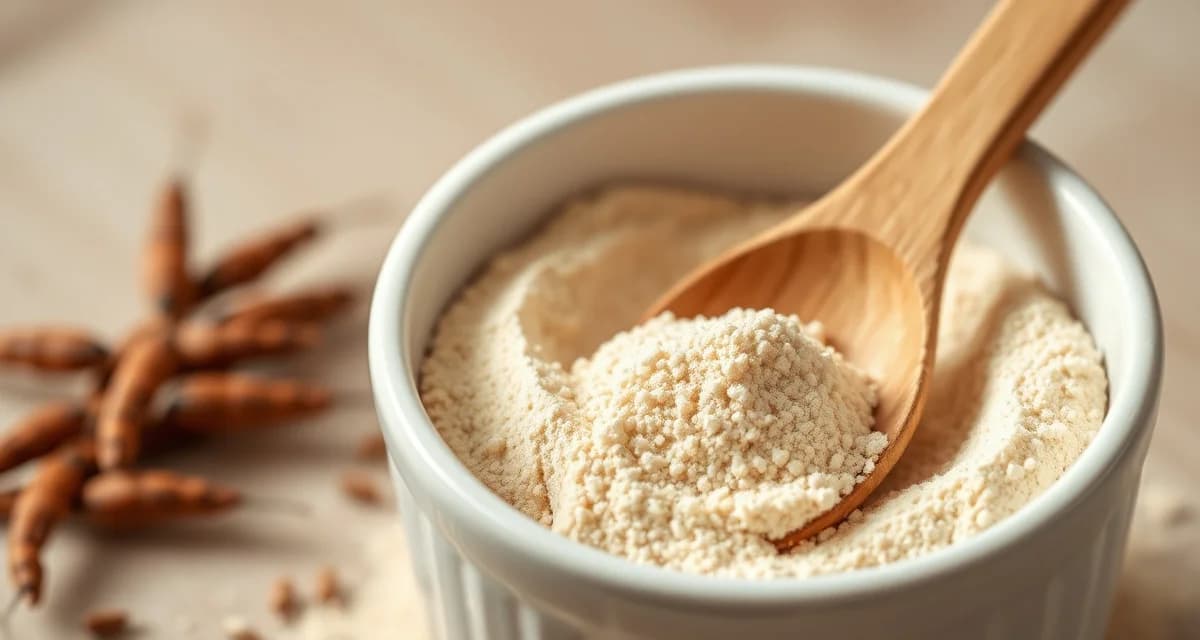
Cricket Flour Chitin: What It Is and What It Means for Your Product
Cricket flour contains 5-8% chitin by dry weight, which functions as a soluble dietary fiber in the human gut. That nutritional description is accurate and scientifically supported -- and it's the framing that most cricket flour brands haven't adopted, defaulting instead to an apologetic "chitin is just part of the shell" message that doesn't serve their product positioning.
This guide covers what chitin is, what the science actually says about its nutritional function, how to reduce it if your application requires it, and how to market it as a product advantage.
TL;DR
- Cricket flour contains 5-8% chitin by dry weight, which functions as a soluble dietary fiber in the human gut
- Typical chitin content in whole Acheta domesticus flour: 5-8% by dry weight
- If you're targeting 75%+ protein on a dry weight basis, chitin reduction may be necessary
- At the concentrations present in cricket flour (5-8% by dry weight), chitin is not harmful in healthy adults
- For most retail applications, chitin reduction isn't necessary -- the standard 5-8% content in well-milled flour doesn't create texture or sensory issues in typical use levels
- A common approach is to start from your cost per 1,000 crickets (feed plus variable overhead plus allocated fixed costs), multiply by your target margin, and compare the result against known wholesale market rates
- Whole cricket flour retains all chitin; de-chitinated or partially de-chitinated flour has lower content
-
Prebiotic fiber function. Chitin has been studied as a prebiotic -- a substrate that selectively feeds beneficial gut bacteria.
- The consumer perception challenge is real: "insect shell component" doesn't sound appealing to a consumer who's already skeptical about eating crickets.
- Methods for chitin reduction:
Extra-fine milling: Very fine grinding (micronization) reduces chitin particle size and improves texture without removing chitin.
- Commercial food-grade chitinase preparations are available.
Alkaline treatment: Chitin is partially soluble in strong alkali.
What Chitin Is
Chitin is a structural polysaccharide -- a long-chain carbohydrate polymer that forms part of the exoskeleton of insects, crustaceans, and the cell walls of some fungi. In crickets, chitin is concentrated in the wings, legs, and outer cuticle.
Chemically, chitin is closely related to cellulose (the structural carbohydrate in plants) and behaves similarly in the human digestive system: humans lack the enzyme chitinase needed to fully digest it, so it passes through the gut largely intact, functioning as dietary fiber.
Chitin content in Acheta domesticus cricket flour varies by:
- Life stage at harvest: Adult crickets have more fully developed exoskeletons and higher chitin content than juveniles
- Processing method: Whole cricket flour retains all chitin; de-chitinated or partially de-chitinated flour has lower content
- Fine grinding: Very fine milling breaks chitin into smaller particles that may have different digestive behavior than coarse particles
Typical chitin content in whole Acheta domesticus flour: 5-8% by dry weight.
The Nutritional Science on Cricket Chitin
The human gut can't fully digest chitin, but "can't fully digest" and "harmful" are very different things. The current evidence on chitin in human nutrition:
Prebiotic fiber function. Chitin has been studied as a prebiotic -- a substrate that selectively feeds beneficial gut bacteria. Several human and animal studies show that chitin supports growth of beneficial gut flora in ways similar to other dietary fibers.
Immune modulation. Chitin is an immunomodulatory compound that interacts with the gut immune system. This is an active research area; some studies show beneficial immune effects from chitin consumption, though the clinical picture is still developing.
Fiber contribution. For nutritional labeling, chitin counts as dietary fiber (it's a non-digestible polysaccharide). Cricket flour's dietary fiber content is partially attributable to chitin content.
No documented toxicity in food amounts. Humans have consumed chitin in crustaceans (shrimp shells, crab) for thousands of years. At the levels present in cricket flour as a minor ingredient in food products, chitin has no documented adverse effects in healthy adults.
Consumer Perception: The Real Challenge
The science on chitin is reasonably benign. The consumer perception challenge is real: "insect shell component" doesn't sound appealing to a consumer who's already skeptical about eating crickets.
The framing mistake most cricket brands make is defensive: "Don't worry about chitin, it's totally fine." This positions chitin as something that needs defending, which implicitly validates the consumer's concern.
The better framing: "Cricket flour contains chitin, a natural dietary fiber that supports digestive health." This is accurate, it positions chitin as a feature not a bug, and it connects to the prebiotic fiber conversation that health-conscious consumers are already familiar with.
For brands selling to sports nutrition or high-protein supplement markets, chitin is often omitted from the main marketing message because this audience is focused on protein content and doesn't have a frame for chitin. For brands selling to the gut health, fiber, or wellness market, chitin can be a genuine positioning asset.
Reducing Chitin Content
Some applications require lower chitin content:
For very high protein concentration: Removing chitin increases protein's share of dry weight. If you're targeting 75%+ protein on a dry weight basis, chitin reduction may be necessary.
For applications with texture requirements: Fine baked goods where chitin particles create off-texture (granular feeling) may benefit from chitin reduction.
For specific buyer requirements: Some food manufacturers specify maximum chitin content for their ingredient specifications.
Methods for chitin reduction:
Extra-fine milling: Very fine grinding (micronization) reduces chitin particle size and improves texture without removing chitin. Doesn't change the total chitin content but changes how it's perceived in finished food applications.
Enzymatic treatment: Chitinase enzyme preparations can partially hydrolyze chitin, reducing its structural integrity and particle size. Commercial food-grade chitinase preparations are available.
Alkaline treatment: Chitin is partially soluble in strong alkali. Chemical de-chitination is used in industrial applications but has food safety implications that limit its use in food-grade cricket flour production.
Log your processing parameters (milling particle size, any enzymatic treatments) in CricketOps as part of your batch production records. If you make specific chitin content claims, you'll need testing to support them.
Frequently Asked Questions
Is chitin in cricket flour harmful?
No. Chitin is a natural dietary fiber present in insects, crustaceans, and fungi. Humans have consumed chitin in shrimp and crab shells throughout history. At the concentrations present in cricket flour (5-8% by dry weight), chitin is not harmful in healthy adults. It functions as a prebiotic dietary fiber that supports gut bacteria, and it contributes to cricket flour's dietary fiber content on the nutritional facts panel. Individuals with shellfish allergies should note that chitin shares structural features with shellfish exoskeleton components and should consult a physician before consuming cricket flour.
Can I reduce the chitin content of my cricket flour?
Yes. The practical options for a small-to-mid-scale producer are: extra-fine milling (micronization reduces particle size and improves texture without changing total chitin content), enzymatic treatment with food-grade chitinase preparations (partially hydrolyzes chitin, reducing its structural contribution), and using younger-stage crickets for flour production (juveniles have less developed exoskeletons and lower chitin content than adults, though this also reduces total yield per bird). Industrial-scale chemical de-chitination is not practical for most food-grade producers. For most retail applications, chitin reduction isn't necessary -- the standard 5-8% content in well-milled flour doesn't create texture or sensory issues in typical use levels.
How should I market cricket flour chitin to health food consumers?
Frame chitin as a dietary fiber benefit, not a deficiency to apologize for. "Cricket flour contains chitin, a prebiotic dietary fiber that supports digestive health" is accurate, positive, and connects to the gut health conversation health-conscious consumers already follow. For protein-focused audiences, omit the chitin discussion unless asked -- it's nutritionally neutral for their application and the protein content is the relevant benefit. Avoid the defensive framing "don't worry about chitin" which implicitly validates concern. The science on chitin as a prebiotic fiber is real; use it proactively as a positioning asset rather than a disclosure you hope nobody reads. For more on cricket flour's full nutritional profile and positioning, see the cricket flour production guide.
What documentation do food-grade cricket buyers typically require from suppliers?
Food manufacturers and distributors typically require a Certificate of Analysis (COA) for each batch, documentation of your food safety management system (HACCP plan), proof of facility registration with FDA if required, allergen management documentation, and supplier qualification questionnaires. Start building these records from your first commercial production batch -- retroactively reconstructing production documentation is difficult and sometimes impossible.
How should I price feeder crickets for wholesale accounts?
Wholesale pricing should cover your fully-loaded cost per unit plus a margin that accounts for the variable quality of large accounts (payment terms, return policies, volume discounts). A common approach is to start from your cost per 1,000 crickets (feed plus variable overhead plus allocated fixed costs), multiply by your target margin, and compare the result against known wholesale market rates. Feeder cricket wholesale prices vary significantly by species, size, and region.
What certifications improve the marketability of cricket products?
For food-grade products, certifications that resonate with buyers include USDA Organic (requires organic feed and approved inputs), non-GMO verification, and food safety system certifications such as SQF Level 2 or FSSC 22000. For feeder crickets going to pet industry accounts, health documentation and quarantine protocols are often more important than formal certifications. Check with your specific buyers to understand which certifications they value or require.
Sources
- Food and Agriculture Organization of the United Nations (FAO) -- Edible Insects: Future Prospects for Food and Feed Security
- North American Coalition for Insect Agriculture (NACIA)
- Specialty Food Association
- Good Food Institute -- Alternative Protein Market Data
- New Hope Network -- Natural Products Industry Research
Get Started with CricketOps
Selling cricket products consistently to food-grade buyers requires demonstrating consistent quality and reliable fulfillment. CricketOps gives you the production records and batch traceability documentation that buyers increasingly require as part of their supplier qualification process. Start building your production documentation in CricketOps before your first major account asks for it.