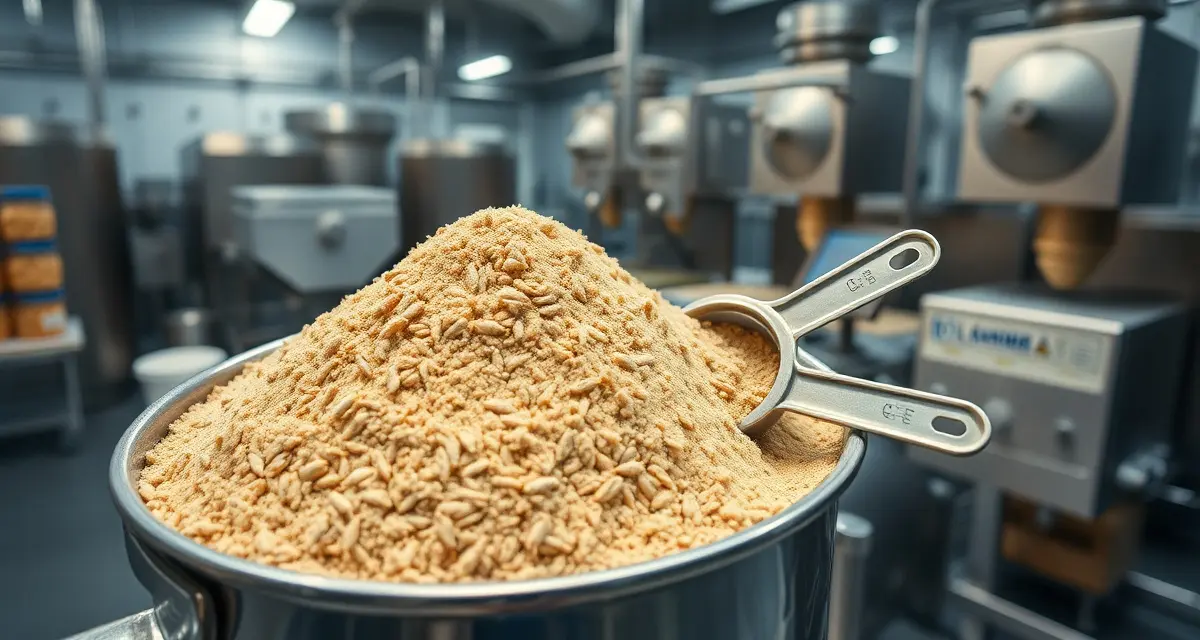
Cricket Flour Production Guide: From Farm to Food-Grade Powder
Cricket flour contains up to 65% protein by dry weight. That number gets attention. What gets less attention is everything that has to happen between a live cricket in a grow-out bin and a food-grade powder that a retailer will actually put on their shelf.
Most guides cover either the farming side or the processing side. This one covers both, end to end, with the compliance requirements that connect them.
TL;DR
- Cricket flour contains up to 65% protein by dry weight
- Pre-harvest fast: Most commercial flour producers fast crickets for 24 hours before harvest
- Before harvesting, lower the bin temperature to 65–70°F
- Transfer crickets to freezer bags or trays and freeze at -20°C for a minimum of 24 hours
- Target moisture content in finished cricket flour is 5% or below
- Commercial dehydrators: Adequate for small batches (under 20 lbs per run)
- Its protein profile (65–70% by dry weight) and neutral flavor make it the industry standard
Pre-harvest fast: Most commercial flour producers fast crickets for 24 hours before harvest.
- You're optimizing for protein yield and food safety, not live DOA rate.
Step 1: Reduce temperature. Before harvesting, lower the bin temperature to 65–70°F.
- Cooler crickets are slower, reducing escape and injury during handling.
Step 2: Freeze. Transfer crickets to freezer bags or trays and freeze at -20°C for a minimum of 24 hours.
- It also reduces the fat oxidation that causes rancidity.
Step 4: Dry. Moisture content is the critical variable for flour shelf life and food safety.
- Target moisture content in finished cricket flour is 5% or below.
- Drying methods:
- Commercial dehydrators: Adequate for small batches (under 20 lbs per run).
Why Cricket Flour Production Is Different From Feeder Cricket Operations
If you're selling live feeder crickets to pet stores, your compliance burden is relatively light. The moment you produce something for human consumption, the regulatory picture changes entirely.
Cricket flour falls under FDA jurisdiction as a food ingredient. You need facility registration before you ship across state lines. FSMA Preventive Controls apply to your production process. Allergen labeling requirements are specific and non-negotiable. Retail buyers, especially natural food chains, will ask for your HACCP plan and your batch records before they place an order.
None of this is unmanageable. But treating it as an afterthought costs you time, money, and accounts.
Selecting the Right Crickets for Flour Production
Not all crickets produce the same flour quality. The main variables:
Species: Acheta domesticus is the dominant species in US cricket flour production. Its protein profile (65–70% by dry weight) and neutral flavor make it the industry standard. Gryllus bimaculatus is increasingly accepted and has the advantage of EU Novel Food approval for export-oriented operations.
Harvest timing: Cricket flour quality is highest when crickets are harvested before the final molt. Post-molt crickets have consumed protein reserves and have higher chitin content relative to protein. For flour production, harvest at 5 weeks post-hatch at 88°F, slightly earlier than feeder harvest.
Feed in the days before harvest: What the crickets eat in their final 48–72 hours affects flour flavor and nutritional profile. A clean finishing diet (grain-based, no high-moisture vegetables) produces more consistent flour. Crickets with full guts at harvest also produce better yields after the gut purge step.
Pre-harvest fast: Most commercial flour producers fast crickets for 24 hours before harvest. This empties the gut and reduces off-flavor compounds in the finished flour.
Harvest Process for Flour Production
The harvest process for flour is different from live feeder harvesting. You're optimizing for protein yield and food safety, not live DOA rate.
Step 1: Reduce temperature. Before harvesting, lower the bin temperature to 65–70°F. Cooler crickets are slower, reducing escape and injury during handling.
Step 2: Freeze. Transfer crickets to freezer bags or trays and freeze at -20°C for a minimum of 24 hours. Freezing is the standard kill method for human consumption cricket production. It's humane, it halts enzyme activity, and it starts the drying process.
Step 3: Blanch (optional but recommended). Some producers blanch frozen crickets in boiling water for 2–3 minutes before drying. Blanching reduces pathogen load and improves shelf life of the finished flour. It also reduces the fat oxidation that causes rancidity.
Step 4: Dry. Moisture content is the critical variable for flour shelf life and food safety. Target moisture content in finished cricket flour is 5% or below. Drying methods:
- Commercial dehydrators: Adequate for small batches (under 20 lbs per run). Consistent but slow.
- Convection ovens: 180–200°F for 4–6 hours depending on batch depth. Works at small scale; labor-intensive.
- Commercial drum or belt dryers: Required at production volumes above 50 lbs per day. Higher capital cost but consistent moisture control and faster throughput.
Step 5: Mill. Dried crickets are milled to flour using a hammer mill, grain mill, or commercial food processor. Particle size affects texture and protein extractability. Most food manufacturers want 200–500 micron particle size. Screen and test batches for consistency.
Step 6: Sift and package. Sift finished flour to remove coarse particles or leg fragments. Package in moisture-barrier bags with oxygen absorbers for maximum shelf life. Finished cricket flour at 5% moisture has a shelf life of 12–18 months when stored at room temperature.
HACCP for Cricket Flour Production
A HACCP plan documents the hazards in your production process, identifies the critical control points (CCPs) where those hazards can be controlled, and establishes monitoring procedures to verify control.
For cricket flour, the primary biological hazards are:
- Pathogenic bacteria (Salmonella, E. coli), controlled primarily by your kill step (freezing/blanching) and drying temperature
- Cricket-specific pathogens (Acheta domesticus densovirus), controlled by sourcing, colony biosecurity, and the kill step
- Mold, controlled by moisture content in finished product
The critical control points for a standard cricket flour operation:
CCP 1. Kill step: Freezing at -20°C for 24+ hours. Monitoring: temperature log from freezer, time log per batch. Corrective action: re-freeze if temperature not achieved.
CCP 2. Drying: Internal product temperature must reach 165°F during convective drying, and final moisture content must be ≤5%. Monitoring: temperature probe records per batch, moisture meter reading per lot. Corrective action: additional drying time.
CCP 3. Metal detection (if applicable at scale): Required for retail-grade production at most commercial co-packers.
FDA requires HACCP documentation for facilities producing food-grade cricket flour under FSMA Preventive Controls. Even if you're operating below the facility size that triggers full FSMA compliance, major retail buyers will ask for your HACCP plan before placing orders. Having it ready is a commercial requirement, not just a regulatory one.
FDA Compliance Steps for Cricket Flour Producers
1. FDA Food Facility Registration
Required before you sell food-grade cricket flour across state lines. Register at FDA's unified registration and listing system. Registration must be renewed every two years in even-numbered years. Failure to register before selling results in the products being considered adulterated, subject to seizure.
2. FSMA Preventive Controls for Human Food
Applies to facilities with more than $1 million in annual food sales (averaged over 3 years). Requires a written food safety plan, hazard analysis, preventive controls, monitoring, corrective actions, verification, and record-keeping.
3. Allergen labeling
Cricket flour must carry an allergen declaration under current FDA guidance for crustacean shellfish cross-reactivity. This is the labeling requirement most new cricket flour producers miss. Check current FDA guidance before printing packaging, this area is still evolving.
4. Nutrition facts panel
Required on retail packaging. Commission a nutritional analysis from an accredited lab when you launch a new product. Typical cricket flour: 65–70g protein per 100g, 15–20g fat, 6–8g carbohydrate, 4–8g fiber.
5. Record-keeping
FSMA requires records be maintained for a minimum of 2 years. This includes your food safety plan, hazard analysis, monitoring records, corrective action records, and verification activities. These need to be available for FDA inspection within 24 hours.
Equipment Checklist for a Small-Scale Cricket Flour Operation
| Equipment | Minimum Spec | Approximate Cost |
|---|---|---|
| Commercial dehydrator | 10+ tray, 1000W+ | $300–$800 |
| Grain/hammer mill | 200–500 micron output | $200–$600 |
| Chest freezer | -20°C capable, 7+ cu ft | $300–$500 |
| Moisture meter | Food-grade, 0–50% range | $100–$300 |
| Vacuum sealer | Commercial grade | $150–$400 |
| Digital scale | 0.1g precision | $50–$150 |
At production volumes above 100 lbs per week, a commercial belt dryer ($8,000–$25,000) and industrial hammer mill ($5,000–$15,000) are necessary for consistent output and labor cost control.
Batch Record Documentation
Every production batch should have a paper trail that includes:
- Batch number and date
- Source bin IDs and hatch dates
- Kill method and temperature/time log
- Drying method, temperature, and duration
- Final moisture content measurement
- Lot weight before and after processing
- Packaging date and lot code
- Disposition of batch (sold to, shipped date, quantity)
This documentation supports your HACCP records, satisfies retail buyer audit requirements, and becomes valuable institutional knowledge when you're troubleshooting quality variation.
CricketOps ties batch records directly to the bin-level lifecycle data from grow-out, so your production lot documentation automatically includes the upstream farm data, hatch dates, temperature logs, FCR, and mortality history for the bins that fed each production batch.
FAQ
What equipment do I need to make cricket flour?
The minimum equipment for a small cricket flour operation is a chest freezer (for the kill step), a commercial dehydrator, a grain mill or food processor capable of fine milling, a moisture meter, and a vacuum sealer. Total equipment cost for a starter setup runs $1,100–$2,250. At production volumes above 100 lbs per week, a commercial belt dryer and industrial hammer mill are needed.
Is cricket flour FDA approved?
Cricket flour doesn't require pre-market approval from the FDA. However, facilities producing cricket flour for sale must register with the FDA before shipping across state lines. FSMA Preventive Controls apply to operations above the small business threshold. Cricket flour must also carry allergen labeling for crustacean shellfish cross-reactivity under current FDA guidance.
How do you dry and mill crickets into flour?
Freeze crickets at -20°C for 24 hours as the kill step, optionally blanch in boiling water for 2–3 minutes to reduce pathogen load, then dry at 180–200°F until internal moisture reaches 5% or below (typically 4–6 hours in a convection oven). Mill dried crickets in a hammer mill or grain mill to 200–500 micron particle size, sift to remove coarse fragments, and package in moisture-barrier bags.
What documentation do food-grade cricket buyers typically require from suppliers?
Food manufacturers and distributors typically require a Certificate of Analysis (COA) for each batch, documentation of your food safety management system (HACCP plan), proof of facility registration with FDA if required, allergen management documentation, and supplier qualification questionnaires. Start building these records from your first commercial production batch -- retroactively reconstructing production documentation is difficult and sometimes impossible.
How should I price feeder crickets for wholesale accounts?
Wholesale pricing should cover your fully-loaded cost per unit plus a margin that accounts for the variable quality of large accounts (payment terms, return policies, volume discounts). A common approach is to start from your cost per 1,000 crickets (feed plus variable overhead plus allocated fixed costs), multiply by your target margin, and compare the result against known wholesale market rates. Feeder cricket wholesale prices vary significantly by species, size, and region.
What certifications improve the marketability of cricket products?
For food-grade products, certifications that resonate with buyers include USDA Organic (requires organic feed and approved inputs), non-GMO verification, and food safety system certifications such as SQF Level 2 or FSSC 22000. For feeder crickets going to pet industry accounts, health documentation and quarantine protocols are often more important than formal certifications. Check with your specific buyers to understand which certifications they value or require.
Sources
- Food and Agriculture Organization of the United Nations (FAO) -- Edible Insects: Future Prospects for Food and Feed Security
- North American Coalition for Insect Agriculture (NACIA)
- Specialty Food Association
- Good Food Institute -- Alternative Protein Market Data
- New Hope Network -- Natural Products Industry Research
Get Started with CricketOps
Selling cricket products consistently to food-grade buyers requires demonstrating consistent quality and reliable fulfillment. CricketOps gives you the production records and batch traceability documentation that buyers increasingly require as part of their supplier qualification process. Start building your production documentation in CricketOps before your first major account asks for it.