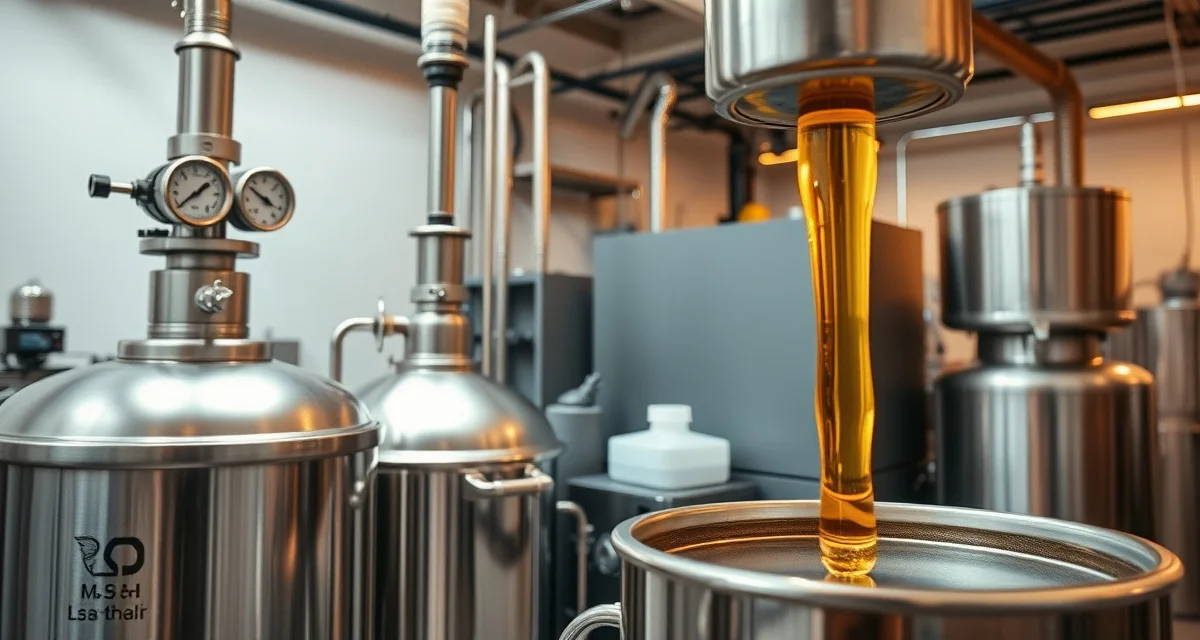
CO2 Extraction for Cricket Oil: Processing Cricket Lipids for Premium Products
Cricket-derived oil contains high concentrations of lauric acid and has applications in premium cosmetics and nutraceuticals. Most cricket flour producers never know this, because they're discarding the fat fraction that contains the most valuable extractable compound their operation produces.
Cricket oil commands $80-$120 per liter in the premium cosmetics and nutraceutical market. Compare that to your cricket flour price per kilogram and you start to see why CO2 extraction deserves serious consideration for any operation that's ready to move beyond basic flour production.
TL;DR
- Cricket oil commands $80-$120 per liter in the premium cosmetics and nutraceutical market
- Compare that to your cricket flour price per kilogram and you start to see why CO2 extraction deserves serious consideration for any operation that's ready to move beyond basic flour production
- Supercritical CO2 extraction uses carbon dioxide at specific temperature and pressure conditions where it behaves as both a liquid and a gas
- In this supercritical state, CO2 is an excellent solvent for extracting lipids, oils, and other bioactive compounds from organic material
- This is the defining advantage of CO2 extraction over hexane extraction: the final product contains no solvent residue and is appropriate for food and cosmetic applications without additional processing
- Supercritical CO2 extraction equipment is specialized and capital-intensive
- These units typically cost $15,000-$45,000 and are not appropriate for commercial production
1.
- Dried, milled cricket material is loaded into an extraction vessel
2.
- Supercritical CO2 is pumped through the vessel at controlled temperature (typically 40-60°C) and pressure (200-400 bar)
3.
- The CO2 dissolves the lipid fraction from the cricket material
4.
What Is Supercritical CO2 Extraction?
Supercritical CO2 extraction uses carbon dioxide at specific temperature and pressure conditions where it behaves as both a liquid and a gas. In this supercritical state, CO2 is an excellent solvent for extracting lipids, oils, and other bioactive compounds from organic material.
For cricket oil extraction, the process works like this:
- Dried, milled cricket material is loaded into an extraction vessel
- Supercritical CO2 is pumped through the vessel at controlled temperature (typically 40-60°C) and pressure (200-400 bar)
- The CO2 dissolves the lipid fraction from the cricket material
- The CO2-lipid mixture passes through a separator where pressure is reduced
- The CO2 reverts to a gas and separates from the oil, which is collected
- The CO2 is recovered and recycled back through the system
The result is a solvent-free, food-grade cricket oil with no chemical residues. This is the defining advantage of CO2 extraction over hexane extraction: the final product contains no solvent residue and is appropriate for food and cosmetic applications without additional processing.
Why Cricket Oil Is Valuable
Cricket oil's value comes from its unusual fatty acid composition. Compared to conventional food oils, cricket oil contains:
- Higher concentrations of lauric acid (a medium-chain fatty acid associated with antimicrobial properties)
- Significant concentrations of oleic acid (a monounsaturated fatty acid)
- Linoleic acid (omega-6)
- Alpha-linolenic acid (omega-3)
The lauric acid content is particularly notable because it's rare among animal-derived fats (coconut oil is the main plant-based source). This makes cricket oil an interesting ingredient for cosmetics brands formulating with fatty acids known to have skin-conditioning and antimicrobial effects.
In nutraceuticals, cricket oil is positioned as a sustainable omega fatty acid source with a unique lipid profile. The premium over fish oil is justified by the sustainability story and the novel fatty acid composition.
Equipment Requirements for CO2 Extraction
Supercritical CO2 extraction equipment is specialized and capital-intensive. For a cricket flour operation considering this step:
Lab-scale units (0.5-2 liter capacity): Used for research, product development, and testing your specific cricket material's extraction yield. These units typically cost $15,000-$45,000 and are not appropriate for commercial production.
Small commercial units (5-20 liter capacity): The appropriate scale for a craft or specialty cricket oil producer. These units can process 10-50 kg of dried cricket material per batch and typically cost $80,000-$200,000. Multiple extraction runs per day are standard.
Industrial units (50+ liters): For large-scale production integrated into a commercial insect processing operation. These cost $300,000-$1M+.
For most cricket flour producers evaluating this opportunity for the first time, the most practical approach is toll processing: using a CO2 extraction service provider to process your cricket material into oil without purchasing your own equipment. This lets you develop the market and prove the revenue before committing capital.
Expected Oil Yield
Dried Acheta domesticus contains approximately 20-30% fat by dry weight, depending on diet and lifecycle stage. CO2 extraction recovers approximately 85-95% of available lipids, meaning a well-run extraction produces about 170-285 grams of oil per kilogram of dried cricket input.
At $80-$120 per liter (oil density approximately 0.92 g/mL), one kilogram of dried crickets yields approximately $15-$37 in oil value, before processing costs. This needs to be evaluated against the value of the defatted cricket material (which has higher protein content and longer shelf life than un-defatted flour) and your processing costs.
Connecting to Your Production System
CO2 extraction fits naturally into a cricket production workflow where you're already tracking yields at the batch level. Your cricket flour production guide process should already have batch weight data that forms the basis for oil yield calculations.
If you're using farm management software for your cricket farm profitability guide analysis, adding oil extraction as a co-product line requires tracking extraction input weight, output oil volume, and output defatted meal weight per batch. These numbers feed directly into your true cost-per-pound calculations.
Market Applications for Cricket Oil
Premium cosmetics. Small-batch and luxury cosmetics brands are the most accessible initial market. Cricket oil's sustainability story aligns with their brand values. Target indie beauty brands, solid bar soap makers, and natural cosmetics formulators who already work with specialty oils.
Nutraceuticals. Cricket oil capsules positioned as a sustainable omega fatty acid supplement. This requires food-grade extraction (CO2 meets this standard) and appropriate supplement labeling.
Premium culinary oil. A niche but emerging channel. High-end restaurants and specialty food retailers are experimenting with cricket oil as a finishing oil. This requires particularly clean extraction and sensory quality.
Agricultural research. Cricket oil has documented applications in biopesticide research due to its lauric acid content. This is an early-stage market but worth monitoring.
Frequently Asked Questions
What is cricket oil and how do I produce it?
Cricket oil is the fat fraction extracted from dried crickets, with a unique fatty acid profile including high lauric acid content. It's produced by extracting lipids from dried cricket material using supercritical CO2 (the preferred food-grade method), cold-press mechanical extraction, or solvent extraction (which requires additional processing to remove solvent residue). Supercritical CO2 extraction produces the cleanest product at the highest price point. Dried Acheta domesticus contains 20-30% fat by dry weight, and CO2 extraction recovers approximately 85-95% of available lipids. For most operations starting out, toll processing your cricket material at a CO2 extraction facility is more practical than purchasing extraction equipment.
Is there a market for cricket-derived lipids?
Yes, and it's currently underserved. Cricket oil commands $80-$120 per liter in the premium cosmetics and nutraceutical markets, which is many times the per-unit value of cricket flour. The primary buyers are indie cosmetics brands formulating with specialty fatty acids, supplement manufacturers developing sustainable omega products, and culinary specialty buyers. The market is small and developing, which means early producers can establish pricing and relationships before it becomes competitive. The sustainability narrative around cricket-derived ingredients is a genuine selling point in both the cosmetics and nutraceutical segments where buyers are actively seeking novel, sustainable ingredient sources.
How does CO2 extraction work for cricket oil production?
Supercritical CO2 extraction uses carbon dioxide at controlled temperature and pressure conditions where it behaves as a solvent. Dried, milled cricket material is loaded into an extraction vessel. Supercritical CO2 is pumped through at 40-60°C and 200-400 bar pressure, dissolving the lipid fraction. The CO2-oil mixture passes through a separator where pressure drops, causing the CO2 to revert to a gas and separate from the collected oil. The CO2 is recovered and recycled. The result is solvent-free, food-grade oil with no chemical residue. This distinguishes CO2 extraction from hexane extraction, making the output suitable for food, cosmetic, and nutraceutical applications without additional purification steps.
What documentation do food-grade cricket buyers typically require from suppliers?
Food manufacturers and distributors typically require a Certificate of Analysis (COA) for each batch, documentation of your food safety management system (HACCP plan), proof of facility registration with FDA if required, allergen management documentation, and supplier qualification questionnaires. Start building these records from your first commercial production batch -- retroactively reconstructing production documentation is difficult and sometimes impossible.
How should I price feeder crickets for wholesale accounts?
Wholesale pricing should cover your fully-loaded cost per unit plus a margin that accounts for the variable quality of large accounts (payment terms, return policies, volume discounts). A common approach is to start from your cost per 1,000 crickets (feed plus variable overhead plus allocated fixed costs), multiply by your target margin, and compare the result against known wholesale market rates. Feeder cricket wholesale prices vary significantly by species, size, and region.
What certifications improve the marketability of cricket products?
For food-grade products, certifications that resonate with buyers include USDA Organic (requires organic feed and approved inputs), non-GMO verification, and food safety system certifications such as SQF Level 2 or FSSC 22000. For feeder crickets going to pet industry accounts, health documentation and quarantine protocols are often more important than formal certifications. Check with your specific buyers to understand which certifications they value or require.
Sources
- Food and Agriculture Organization of the United Nations (FAO) -- Edible Insects: Future Prospects for Food and Feed Security
- North American Coalition for Insect Agriculture (NACIA)
- Specialty Food Association
- Good Food Institute -- Alternative Protein Market Data
- New Hope Network -- Natural Products Industry Research
Get Started with CricketOps
Selling cricket products consistently to food-grade buyers requires demonstrating consistent quality and reliable fulfillment. CricketOps gives you the production records and batch traceability documentation that buyers increasingly require as part of their supplier qualification process. Start building your production documentation in CricketOps before your first major account asks for it.