TikTok for Cricket Farms: How to Build a Viral Following Around Insect Farming
Cricket farm TikTok accounts that post 5 times per week average 40,000 new followers in their first 90 days. That growth rate reflects something real about TikTok's algorithm: unusual, behind-the-scenes agricultural content is exactly the kind of content that TikTok's discovery mechanism amplifies. A person who has never thought about cricket farming will stop scrolling on a video of 10,000 chirping crickets in a harvest bin. That stop generates watch time, watch time signals interest, and interest triggers distribution.
TikTok for cricket farming is not about creating polished brand content. It's about showing what your operation actually looks like in a way that satisfies people's curiosity about something genuinely unusual.
TL;DR
- Cricket farm TikTok accounts that post 5 times per week average 40,000 new followers in their first 90 days.
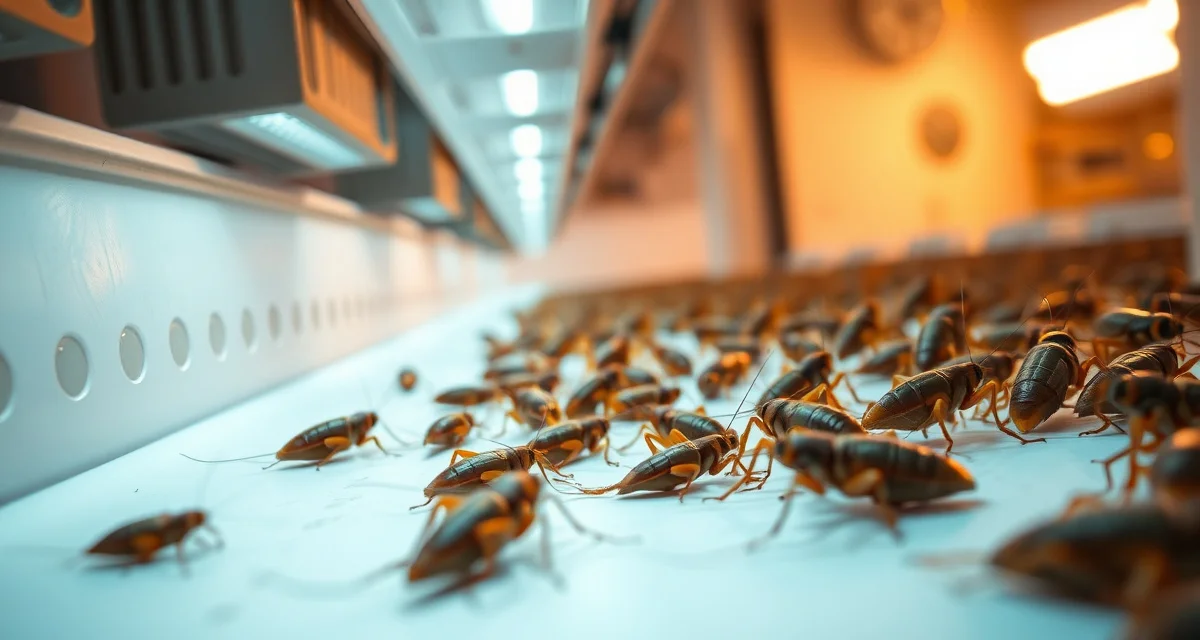
- A person who has never thought about cricket farming will stop scrolling on a video of 10,000 chirping crickets in a harvest bin.
- A new account with zero followers can get 100,000 views on its first video if that video holds attention.
- Spend 2-3 hours filming on one day per week, capturing different aspects of your operation, then schedule throughout the week.
- Your TikTok bio includes a clear link (your website or a Linktree with your key pages)
2.
- Your videos occasionally mention that you sell product: "Link in bio if you want to buy feeder crickets from our farm"
3.
- The ratio should be roughly 80% educational/entertaining content and 20% with a soft product mention.
Why Cricket Farm TikTok Works
TikTok's algorithm distributes content based on watch time and engagement, not on follower count. A new account with zero followers can get 100,000 views on its first video if that video holds attention. This is fundamentally different from Instagram or YouTube, where your distribution is largely limited by your follower base.
Cricket farm process videos - hatch, harvest, pinhead emergence, feeding - consistently hit this mark because they show something most viewers have never seen. The combination of unusual visual content (thousands of moving insects) and educational framing ("here's how crickets are farmed commercially") creates high watch time and shares.
The business result for a feeder cricket farm: awareness among reptile keepers who are your exact target customer. TikTok's reptile and "reptile mom/dad" communities are large, active, and full of people who buy live feeder insects.
For cricket flour brands, TikTok reaches a younger, sustainability-interested food consumer who is potentially your DTC customer.
Video Formats That Perform
Process videos are your highest-performing format. Film the actual process: an egg hatch with thousands of pinhead crickets emerging, a harvest of a bin pouring into a container, the moment you add food and watch hundreds of crickets swarm to it. These are inherently fascinating and require no production sophistication beyond a steady phone camera.
Day-in-the-life content shows what running a cricket farm actually looks like. Morning check, temperature logging, feeding routine, packaging a shipment. This format builds parasocial connection - viewers feel like they know your operation - which drives account following and DTC sales.
Educational explainers answer questions your audience has: "Why do my feeder crickets keep dying?" (reptile keeper perspective), "How much protein is in cricket flour?" (health food perspective), "How long does it take to raise a cricket to harvest size?" (curiosity). These perform well in search on TikTok.
Myth vs fact content works across both feeder and flour audiences: "Things you believe about cricket farming that are wrong" or "The truth about how clean cricket flour production actually is."
Controversial or surprising content - "I'm an insect farmer and here's what I want you to know" or "Why cricket protein is more sustainable than almonds" - gets the comment engagement that drives distribution.
Posting Cadence and Format
Five posts per week is the cadence that produces the 90-day growth numbers in the data. This is achievable if you batch your content creation. Spend 2-3 hours filming on one day per week, capturing different aspects of your operation, then schedule throughout the week.
Format basics:
- Vertical video (9:16 ratio), fill the frame
- First 1-2 seconds must capture attention - start with the interesting part, not a preamble
- Captions/text overlay makes content watchable without sound (TikTok is often watched on mute)
- 30-60 seconds is the sweet spot for most farming process content; longer explainers can work up to 3 minutes
Converting TikTok Followers to Buyers
TikTok followers don't automatically become buyers. The conversion pathway:
- Your TikTok bio includes a clear link (your website or a Linktree with your key pages)
- Your videos occasionally mention that you sell product: "Link in bio if you want to buy feeder crickets from our farm"
- Viewers who are reptile keepers or health food enthusiasts follow the link and convert
Don't over-sell in every video - TikTok audiences resent blatant selling and the algorithm penalizes content that's primarily promotional. The ratio should be roughly 80% educational/entertaining content and 20% with a soft product mention.
For the social media strategy context, see cricket farm social media strategy. For integrating TikTok into your overall marketing, see cricket farm marketing guide.
Frequently Asked Questions
How do I grow a TikTok following for my cricket farm?
Post process videos showing the actual work of cricket farming - hatch events, harvest moments, feeding routines, pinhead emergence - consistently, 5 times per week. TikTok's algorithm distributes content based on watch time, and unusual agricultural processes hold viewer attention strongly. Don't try to make your content polished or edited heavily - authentic, slightly raw behind-the-scenes farming content outperforms produced brand videos on TikTok. Use relevant hashtags (#cricketfarming, #insectprotein, #reptilecare for feeder audiences, #sustainablefood for flour audiences) but don't over-stack hashtags. Engage with comments on your videos, particularly in the first hour after posting, as comment activity signals interest to the algorithm.
What cricket farm content goes viral on TikTok?
The highest-performing cricket farm content types are: egg hatch videos (thousands of pinhead crickets emerging from substrate is visually fascinating), harvest pour videos (pouring a bin of adult crickets), swarm feeding footage (hundreds of crickets rushing to food simultaneously), and before-and-after videos showing crickets at different life stages. Second-tier viral content includes educational explainers that answer questions reptile keepers have about feeder cricket care, and sustainability comparison content showing the resource footprint of cricket protein versus beef. The common thread: unusual visual content that satisfies curiosity about something most viewers have never seen.
Can TikTok help me sell feeder crickets or cricket flour?
Yes, though the pathway is indirect rather than immediate. TikTok builds brand awareness among exactly the right audience - reptile keepers for feeder cricket farms, health-conscious young consumers for cricket flour brands. Viewers who find your content, follow your account, and then see multiple videos over time build trust and brand recognition. When they're ready to buy feeder crickets or try cricket flour, they already know your brand and your operation. The conversion from follower to buyer is meaningful - TikTok followers who have watched multiple videos of your farm convert to customers at higher rates than cold website visitors because the pre-purchase relationship is much stronger.
How does CricketOps help track the metrics described in this article?
CricketOps provides bin-level logging for the variables that drive production outcomes -- feed inputs, environmental conditions, mortality events, and harvest results. Rather than maintaining these records in separate spreadsheets, you can view performance trends across bins and over time to identify which operational variables correlate with better outcomes in your specific facility.
Where can I find industry benchmarks to compare my operation's performance?
The North American Coalition for Insect Agriculture (NACIA) publishes periodic industry reports with production benchmarks. University extension programs in agricultural states, including the University of Georgia and University of Florida IFAS, occasionally publish insect farming production data. Industry conferences hosted by the Entomological Society of America and the Insects to Feed the World symposium series are additional sources of peer benchmarking data.
What is the biggest operational mistake cricket farmers make in their first year?
Expanding bin count before achieving consistent FCR and mortality targets in existing bins is the most common and costly first-year mistake. At 5-10 bins, problems are manageable. At 30-50 bins, the same proportional problems represent much larger financial losses. Most experienced cricket farmers recommend holding expansion until you have three consecutive production cycles hitting your FCR and mortality targets.
Sources
- Food and Agriculture Organization of the United Nations (FAO) -- Edible Insects: Future Prospects for Food and Feed Security
- North American Coalition for Insect Agriculture (NACIA)
- Entomological Society of America
- University of Georgia Cooperative Extension
- Journal of Insects as Food and Feed (Wageningen Academic Publishers)
Get Started with CricketOps
The practices covered in this article are easier to apply consistently when they are supported by organized production data. CricketOps gives cricket farmers the tools to track what matters -- by bin, by batch, and over time. Start your next production cycle in CricketOps and see how organized data changes the way you manage your operation.