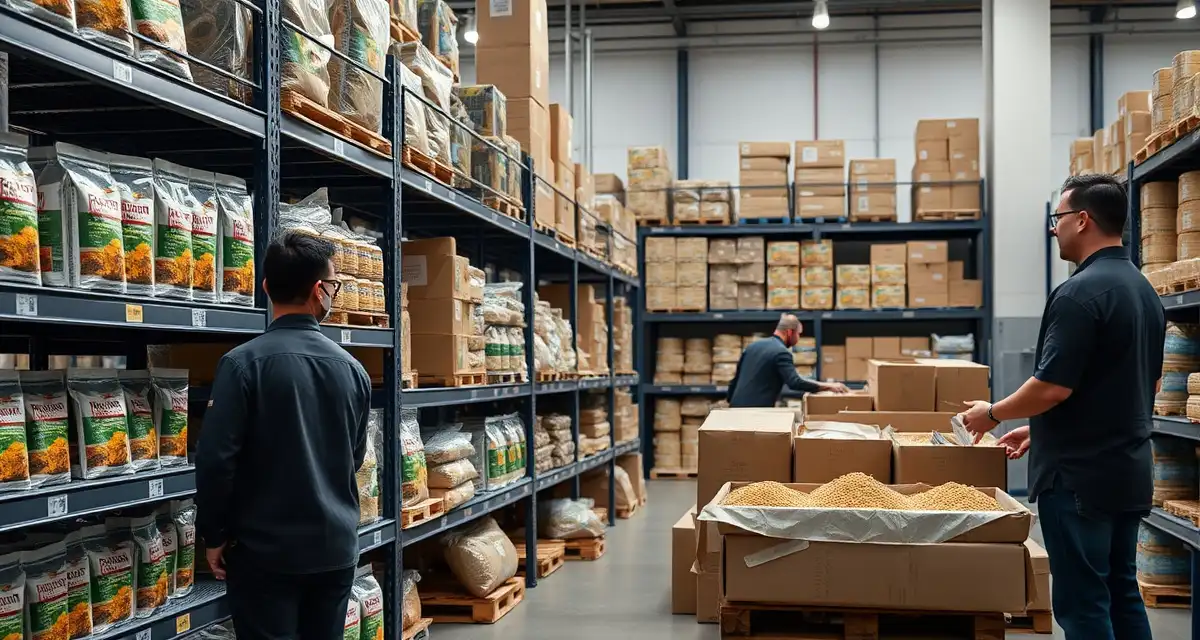
Foodservice Distributor for Cricket Flour: Sysco, US Foods, and More
Regional foodservice distributors are 5x more likely to add a new insect protein supplier than national distributors like Sysco. That accessibility gap exists because regional distributors can move faster, make local sourcing decisions, and differentiate their supplier portfolio in ways that benefit them competitively with regional restaurant accounts.
Foodservice distribution for cricket flour is a major scale opportunity. Getting your cricket flour onto a foodservice distributor's order guide means it's available to every restaurant, hotel, school, and cafeteria in their distribution territory. But the approach to this channel requires understanding who decides and what they need.
TL;DR
- Regional foodservice distributors are 5x more likely to add a new insect protein supplier than national distributors like Sysco
- Step 1: Win restaurant accounts as direct-supply customers
- Get 5-10 restaurants ordering from you directly
- Step 2: Introduce your restaurant accounts to your distributor contacts
- Step 3: Contact the distributor's new product submission team with existing restaurant demand as your primary argument
- Regional foodservice distributors are 5x more accessible than national distributors like Sysco for a new insect protein supplier
- Regional distributors often add new products with 25-50 lbs per week minimum order commitments from multiple accounts in their territory
Step 1: Win restaurant accounts as direct-supply customers.
- Get 5-10 restaurants ordering from you directly.
- This proves there's real demand.
Step 2: Introduce your restaurant accounts to your distributor contacts.
- Ask your restaurant buyers to request your product from their distributor rep.
Step 3: Contact the distributor's new product submission team with existing restaurant demand as your primary argument.
- Regional foodservice distributors are 5x more accessible than national distributors like Sysco for a new insect protein supplier.
- Regional distributors often add new products with 25-50 lbs per week minimum order commitments from multiple accounts in their territory.
How Foodservice Distribution Works
Foodservice distribution differs from grocery distribution in structure. Large distributors like Sysco and US Foods are essentially order-fulfillment operations: they carry thousands of SKUs that restaurants can order through a single relationship. Their sales reps visit restaurant accounts weekly and take orders for anything in the catalog.
The decision chain for adding a new product:
- The restaurant chef or buyer requests a product or a distributor rep identifies demand
- The distributor's category buyer evaluates whether to add the product to the order guide
- Local/regional supplier approval process reviews food safety, pricing, and supply capability
- The product is added to the order guide and available to all accounts in the distribution territory
For cricket flour, you need to influence this decision chain at multiple points. The most effective entry is through restaurant demand creation first.
Why Restaurant Demand Comes First
Like grocery distribution, foodservice distribution is pull-driven. A distributor adds a product because their restaurant customers are asking for it, not because you showed up with samples.
Step 1: Win restaurant accounts as direct-supply customers. Get 5-10 restaurants ordering from you directly. This proves there's real demand.
Step 2: Introduce your restaurant accounts to your distributor contacts. Ask your restaurant buyers to request your product from their distributor rep.
Step 3: Contact the distributor's new product submission team with existing restaurant demand as your primary argument.
This demand-first sequence is the fastest path to distribution for any novel ingredient. It's especially important for cricket flour because distributor category buyers aren't yet familiar with the category.
Sysco: The Largest Foodservice Distributor
Sysco serves approximately 700,000 customer locations across North America. Getting into Sysco's catalog would theoretically give you access to the largest food service buyer network in the country.
The reality: Sysco is extremely difficult for small or novel product suppliers to access. Sysco's corporate product committee reviews new items, and volume thresholds for national distribution are typically beyond reach for most cricket flour producers at current scale.
The realistic Sysco path: Sysco operates through regional subsidiaries (Sysco Boston, Sysco Texas, etc.) that have some autonomy in their supplier relationships. A regional Sysco subsidiary in a market where you have established restaurant demand is a more accessible target than Sysco corporate.
Requirements: Sysco's supplier requirements include very high liability insurance ($5M+ is sometimes required), electronic data interchange (EDI) capability, GFSI-recognized food safety certification (SQF, BRCGS), and high minimum volume commitments. Most cricket flour producers are not ready for Sysco and should focus on regional distributors first.
US Foods: The Second-Largest Distributor
US Foods has similar scale and requirements to Sysco, with slightly more flexibility in some regional markets. The access pathway is identical: regional subsidiary relationships built on existing restaurant demand in the territory.
US Foods has specific supplier programs (Unpredictably Good, exclusive sourcing programs) that sometimes feature regional and specialty producers. If you're in a market where US Foods has an active local sourcing program, these are worth researching.
Regional Foodservice Distributors: The Right Starting Point
Regional foodservice distributors covering specific metro areas or multi-state regions are the realistic entry point for cricket flour. These distributors:
- Make faster sourcing decisions than national distributors
- Value local sourcing as a competitive differentiator with their restaurant accounts
- Have lower volume requirements for new product additions
- Provide more direct access to decision-makers
Examples of regional foodservice distributors:
- Performance Food Group (regional)
- Gordon Food Service (Midwest and Canada focused)
- Ben E. Keith (Texas and adjacent states)
- Nicholas and Company (Mountain West)
- Restaurant Depot (cash-and-carry, accessible to small restaurants)
Finding regional distributors: Ask your current restaurant accounts which distributor they primarily order through. The same distributor is often used by most restaurants in a local market.
What Foodservice Distributors Need from a Cricket Flour Supplier
Volume consistency. Can you supply 50+ pounds per week reliably? Foodservice distribution requires consistent supply; missed orders lose restaurant accounts.
Case pack specifications. Define your case pack size (typically 6 or 12 units per case for retail-sized packs, or 25/50 lb bulk bags for ingredient use). Distributors need standard case specs for their warehouse system.
Short shelf life management. If your product has a short shelf life, distributors need assurance it won't age in their warehouse. A 12+ month shelf life in barrier packaging is appropriate for most foodservice channels.
Pricing. Your pricing must support the distributor's margin (typically 20-30% of the sale price) and the restaurant buyer's expected ingredient cost. Calculate your minimum acceptable price before your first meeting.
Food safety documentation. HACCP plan, COA, and allergen documentation are required. Some distributors require a specific food safety certification (SQF, BRCGS, or equivalent).
The cricket protein foodservice market guide covers the broader foodservice channel landscape. Your cricket flour business guide covers the product and compliance foundation that all foodservice buyer relationships require.
Frequently Asked Questions
How do I get my cricket flour into Sysco?
Getting into Sysco's national catalog is not a realistic early-stage goal for most cricket flour producers. Sysco requires very high liability coverage, GFSI-certified food safety programs, EDI capability, and volume commitments that small operations can't meet. The realistic path starts with regional Sysco subsidiaries (Sysco Boston, Sysco Texas, etc.) that have some autonomy in local sourcing decisions. Approach the regional subsidiary with documented restaurant demand in their territory: chefs who are already ordering from you directly and requesting your product through Sysco. That demand signal is what activates regional supplier review. Build your restaurant account base in a Sysco territory first, then leverage that demand to approach the regional office.
Is there an alternative to Sysco for distributing cricket flour to restaurants?
Yes, and regional distributors are the much better starting point. Regional foodservice distributors are 5x more accessible than national distributors like Sysco for a new insect protein supplier. Gordon Food Service, Performance Food Group, Ben E. Keith, Nicholas and Company, and dozens of regional distributors serve restaurant markets effectively while being far more approachable for new and novel product additions. These distributors value local sourcing as a competitive differentiator with their accounts and make faster decisions. Start with the regional distributor that your current or target restaurant accounts use before investing time in national distributor outreach.
What volume does a foodservice distributor need from a cricket flour supplier?
Volume requirements vary by distributor. Regional distributors often add new products with 25-50 lbs per week minimum order commitments from multiple accounts in their territory. Larger regional and national distributors expect 100+ lbs per week consistent demand before adding a new item. The volume requirement is often less defined for novel ingredients than for commodity products: if a distributor has 10 restaurant accounts actively requesting your product, that demand justifies adding it at whatever volume the accounts actually order. Build demand from restaurant accounts first, then let the distributor's actual order volume determine whether the listing makes sense for them.
What documentation do food-grade cricket buyers typically require from suppliers?
Food manufacturers and distributors typically require a Certificate of Analysis (COA) for each batch, documentation of your food safety management system (HACCP plan), proof of facility registration with FDA if required, allergen management documentation, and supplier qualification questionnaires. Start building these records from your first commercial production batch -- retroactively reconstructing production documentation is difficult and sometimes impossible.
How should I price feeder crickets for wholesale accounts?
Wholesale pricing should cover your fully-loaded cost per unit plus a margin that accounts for the variable quality of large accounts (payment terms, return policies, volume discounts). A common approach is to start from your cost per 1,000 crickets (feed plus variable overhead plus allocated fixed costs), multiply by your target margin, and compare the result against known wholesale market rates. Feeder cricket wholesale prices vary significantly by species, size, and region.
What certifications improve the marketability of cricket products?
For food-grade products, certifications that resonate with buyers include USDA Organic (requires organic feed and approved inputs), non-GMO verification, and food safety system certifications such as SQF Level 2 or FSSC 22000. For feeder crickets going to pet industry accounts, health documentation and quarantine protocols are often more important than formal certifications. Check with your specific buyers to understand which certifications they value or require.
Sources
- Food and Agriculture Organization of the United Nations (FAO) -- Edible Insects: Future Prospects for Food and Feed Security
- North American Coalition for Insect Agriculture (NACIA)
- Specialty Food Association
- Good Food Institute -- Alternative Protein Market Data
- New Hope Network -- Natural Products Industry Research
Get Started with CricketOps
Selling cricket products consistently to food-grade buyers requires demonstrating consistent quality and reliable fulfillment. CricketOps gives you the production records and batch traceability documentation that buyers increasingly require as part of their supplier qualification process. Start building your production documentation in CricketOps before your first major account asks for it.